IMPLANTOLOGY
Dental Implants and Guided Surgery
Guided surgery allows implant positioning to be planned in advance using 3D data, in order to improve precision, safety, and treatment predictability.
Schedule an initial consultation →
Guided surgery allows implant positioning to be planned in advance using 3D data, in order to improve precision, safety, and treatment predictability.
Schedule an initial consultation →Guided surgery allows the virtual planning of implant positioning before the procedure, based on 3D data (CBCT and digital impressions).
At the 47VH clinic in Nice, we use this technology when it provides a real benefit—complex cases, aesthetic zone, immediate loading—without systematic use in order to avoid unnecessary additional costs.
Traditionally, the practitioner places dental implants using visual landmarks and measurements taken directly in the mouth.
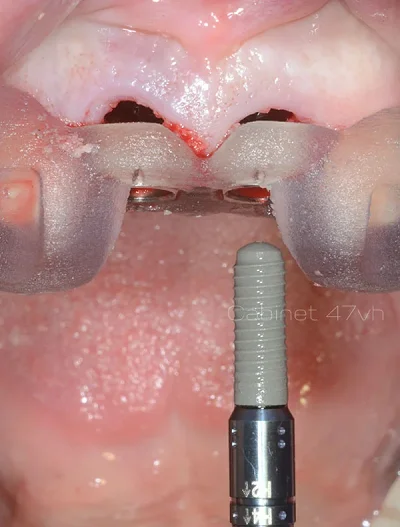
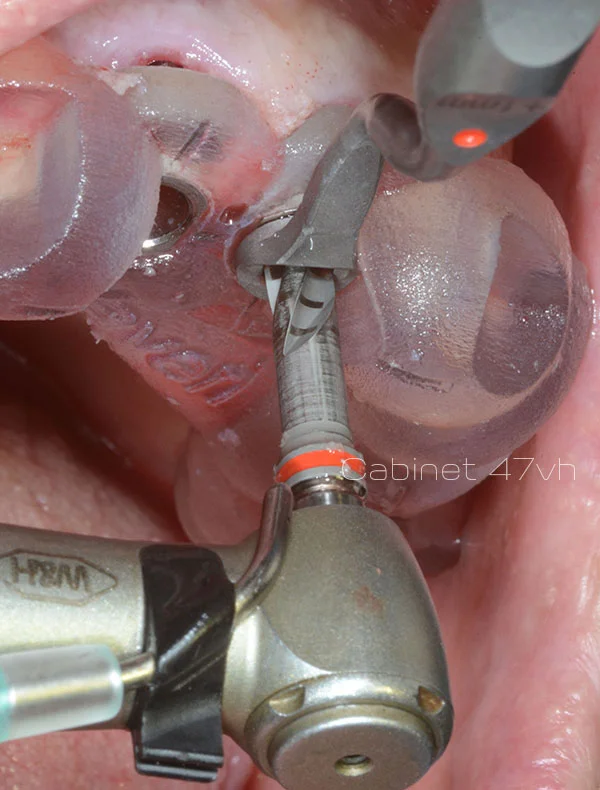
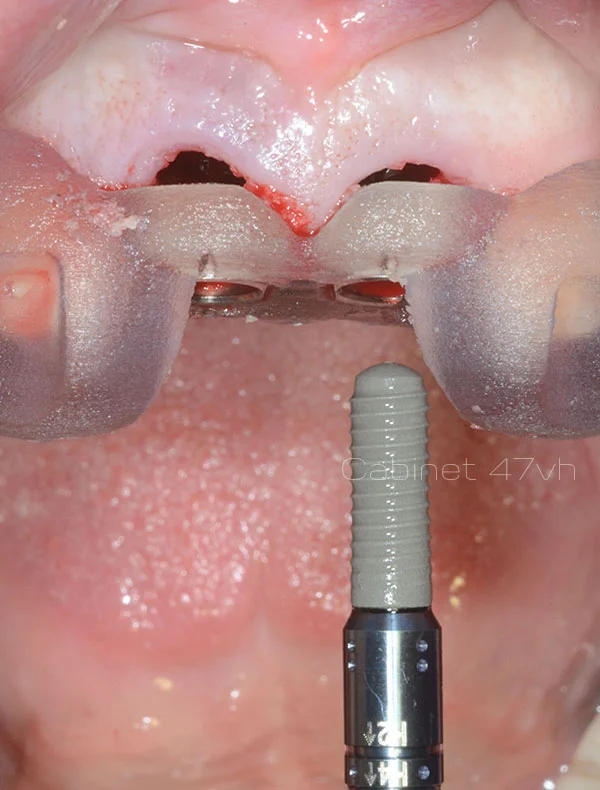
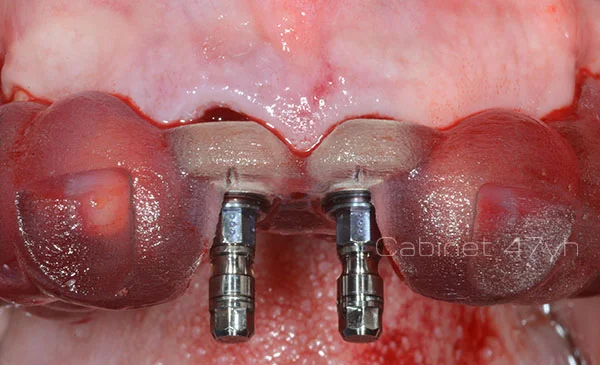
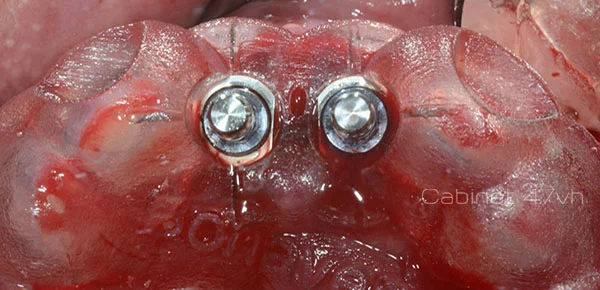
Guided surgery goes further: using radiological data (CBCT) and a digital impression, we virtually plan the position of each implant before the procedure. We then fabricate a custom surgical guide, which is placed in the mouth on the day of surgery. This guide directs drilling and implant insertion with precision, according to the pre-established plan.

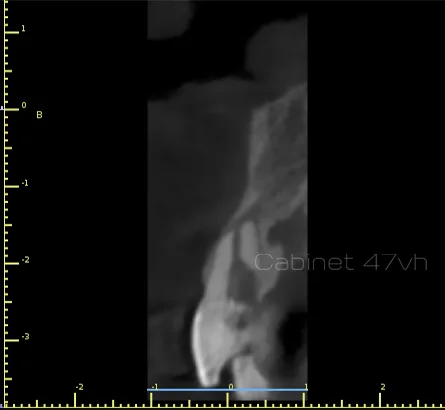
We merge radiological images (CBCT) with a digital impression of the jaw in a 3D planning software. This allows us to precisely define the ideal angle, depth, and position of each implant.
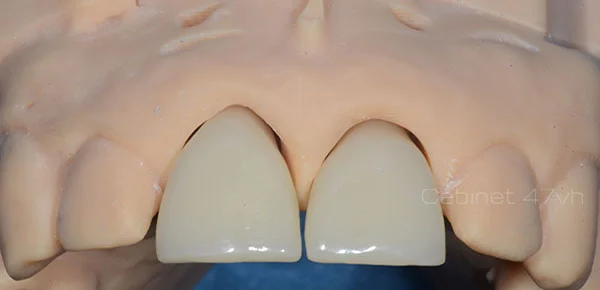
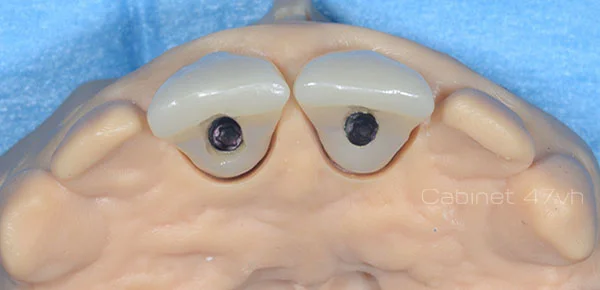
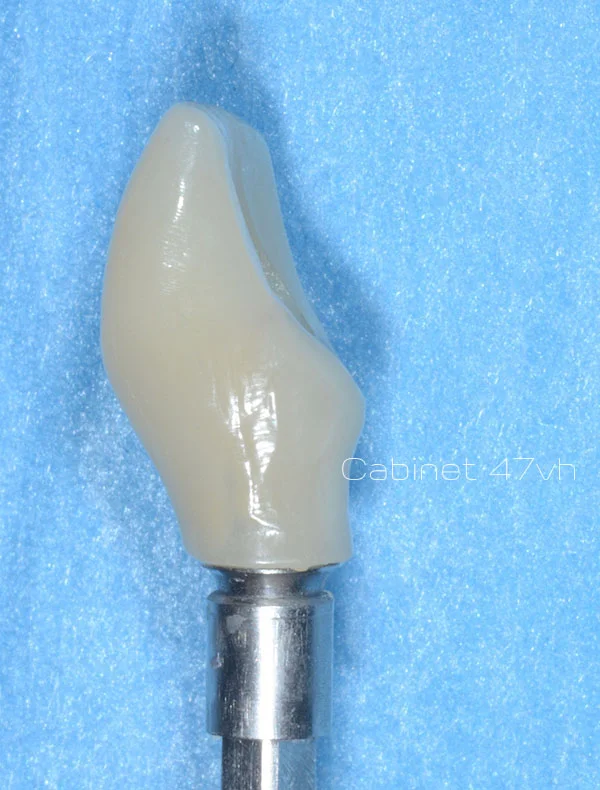
We transmit the data to a specialized manufacturing center, which produces a custom drilling guide in biocompatible material. In parallel, the laboratory may fabricate a provisional prosthesis intended for immediate loading.
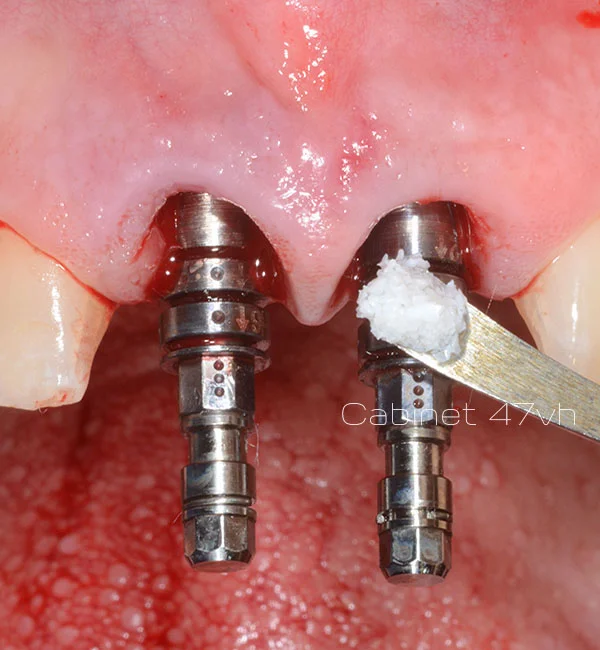
On the day of the procedure, we place the guide on the remaining teeth or secure it directly to the jaw. It directs drilling and insertion of the implant according to the pre-established plan. Once the implant is placed, we remove the guide and, if a provisional prosthesis has been prepared, we immediately screw it into place.

We recommend guided surgery only when it provides a demonstrated clinical benefit—complex cases, aesthetic zone, immediate loading, or high-risk anatomy. It does not replace the clinician’s experience: the fundamentals of implant surgery remain essential, with or without a guide.
Guided implant surgery
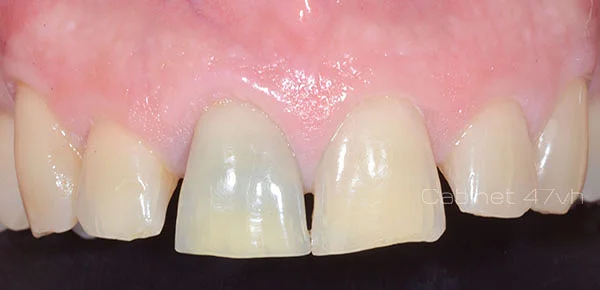
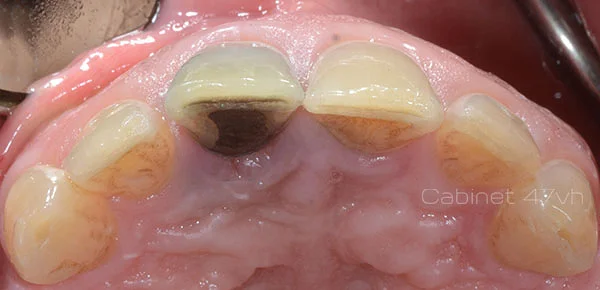
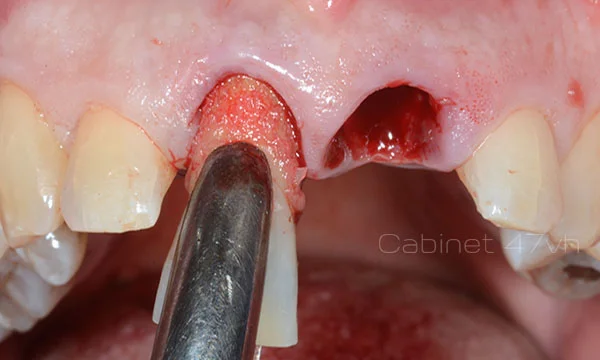
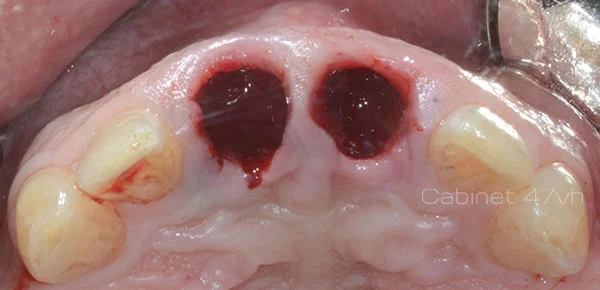
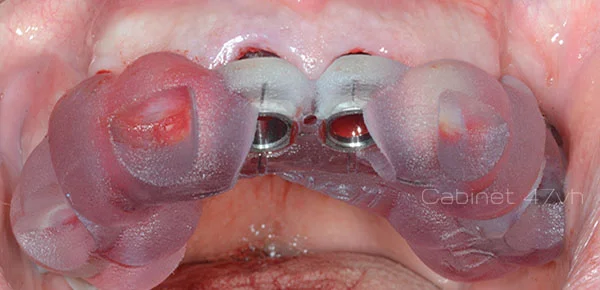
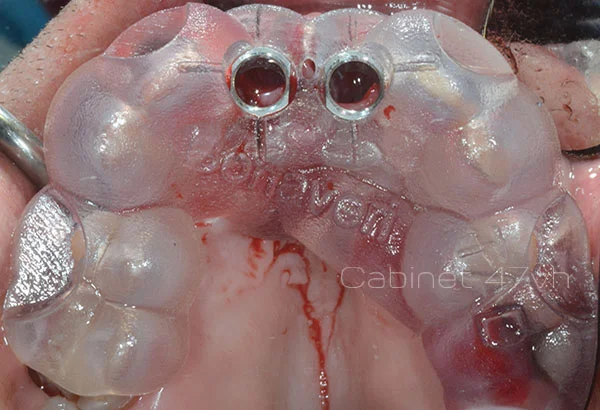
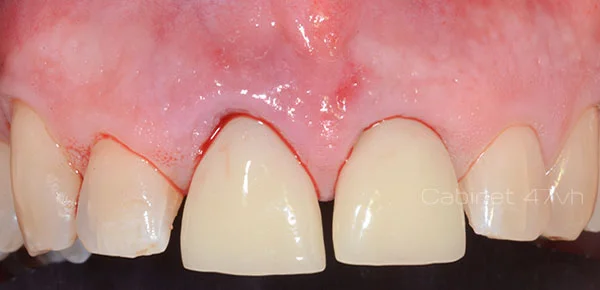
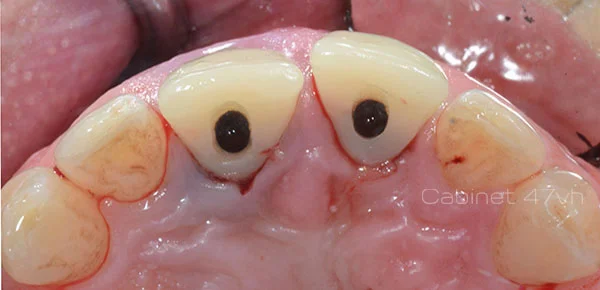
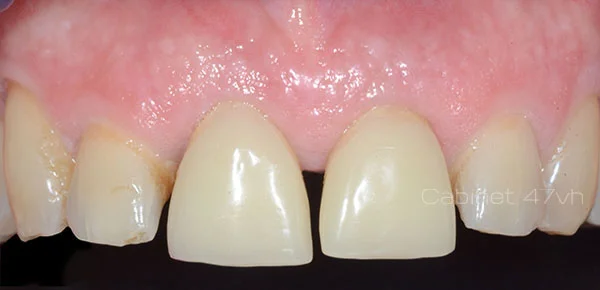
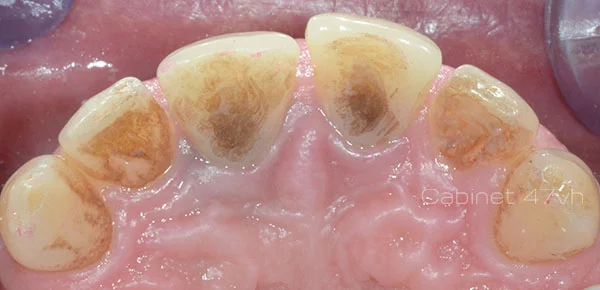
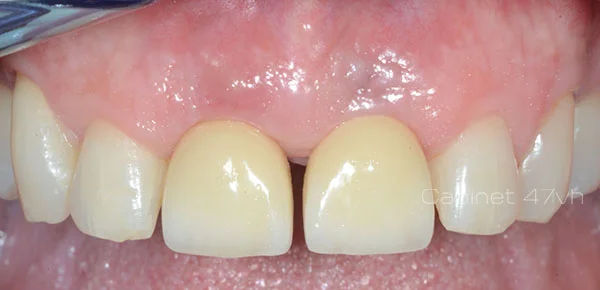
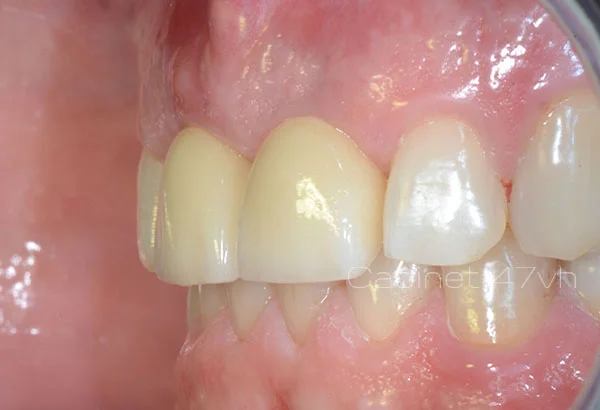
“
Dr Sylvain Mouraret’s opinion
In my practice, guided surgery is particularly useful when it allows precise adherence to the prosthetic plan. It helps control implant angulation, emergence profile, and implant positioning, while also making the procedure more predictable and streamlined. However, it is not essential in all cases, especially when anatomical landmarks are straightforward and implants can be placed reliably without a guide. We therefore select the most appropriate technique for each situation, with or without a surgical guide, avoiding any additional device unless it provides a clear clinical benefit.
No — we only use it when it provides a real clinical benefit.
In many situations, our clinical experience combined with 3D imaging planning is sufficient to ensure optimal implant positioning. Therefore, we only propose guided surgery when it clearly improves precision or safety.
Yes—it improves implant positioning accuracy, particularly in complex cases.
However, it does not replace the clinician’s expertise. If the actual bone conditions differ from the preoperative plan, we can remove the guide and adapt our approach in real time.
No—it is performed under local anesthesia, like any implant procedure.
In some cases, the guide allows implant placement without raising a flap. This minimally invasive approach reduces post-operative discomfort compared to conventional surgery.
Virtual planning and guide fabrication generally take one to two weeks.
After CBCT imaging and digital impressions, the data are sent to the manufacturing centre. This is why guided surgery is planned in advance during the pre-implant consultation.
Yes—the surgical guide represents an additional cost.
However, in situations where it avoids bone grafting or enables immediate loading, it may reduce the overall number of procedures and therefore the total treatment cost. We evaluate this on a case-by-case basis during the treatment planning stage.
Yes — this is one of the main advantages of this approach.
Because implant positioning is digitally planned in advance, the laboratory can fabricate a provisional prosthesis before the surgery. It is then immediately screwed in at the end of the procedure, allowing for immediate loading on the day of implant placement.