PERIODONTOLOGY
Gingival graft
Gingival graft treats gingival recessions — receding gums, exposed roots, dental sensitivity — and restores lasting protection around teeth and implants.
Schedule an initial consultation →
Gingival graft treats gingival recessions — receding gums, exposed roots, dental sensitivity — and restores lasting protection around teeth and implants.
Schedule an initial consultation →Gingival graft corrects gingival recessions — areas where the gum has receded, exposing the root of the tooth.
At the 47VH practice in Nice, we perform these procedures using minimally invasive microsurgical techniques, with predictable aesthetic results and limited post-operative recovery.
A gingival recession is a localized retraction of the gingival tissue covering the roots of the teeth. The gum recedes, progressively exposing the root surface.
Gingival recessions are multifactorial. Several factors can contribute to their occurrence:
Predisposing factors:
Triggering factors:

The treatment is mainly surgical. We add a connective tissue graft to increase gingival thickness, then reposition the tissues to cover the recession.
The microsurgical techniques we use are minimally invasive and produce aesthetic, reliable, and reproducible results. Post-operative recovery is generally limited to mild discomfort.
Historical reference technique: we take a graft from the palate and place it directly on the area to be treated. This approach is reliable for increasing gingival volume, but has several drawbacks: the harvesting site heals by secondary intention, resulting in more noticeable post-operative effects. The aesthetic result is often less satisfying, with a whitish-looking grafted gum.
Most advanced technique we use at the clinic. We harvest only the inner layer of palatal tissue through a single incision, leaving the palate almost intact. Using micro-instruments, we create a tunnel under the gum and slide the graft into position.
This technique offers several advantages:
Connective tissue graft by tunnel technique
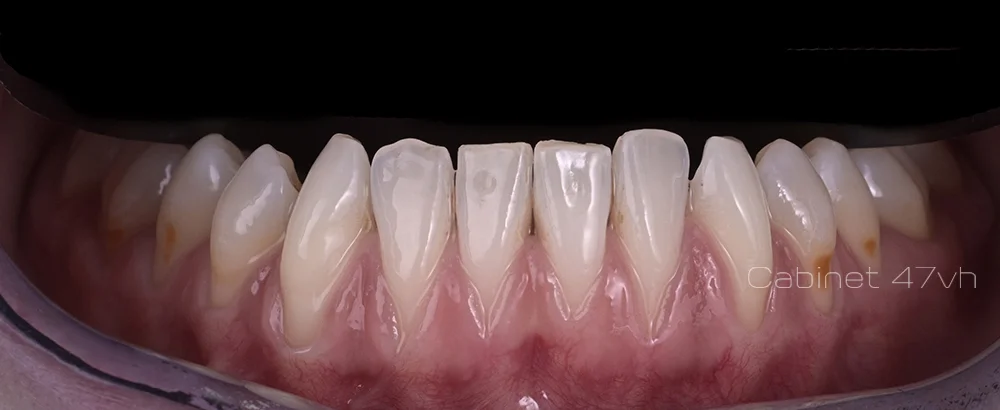
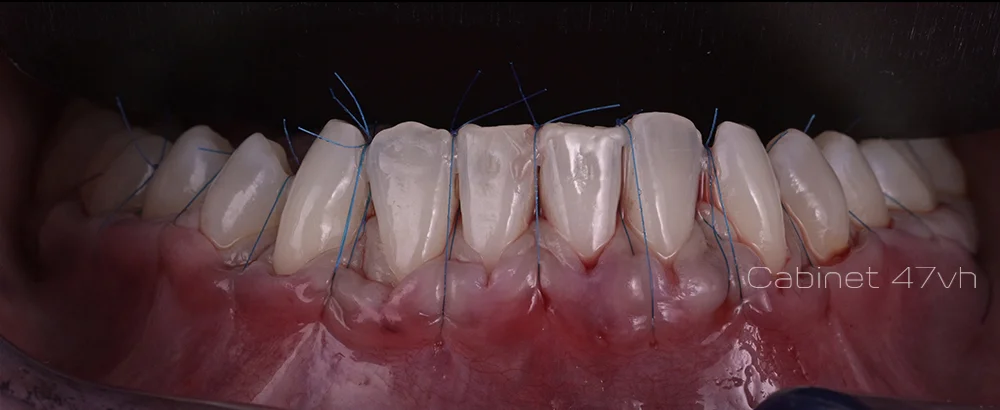
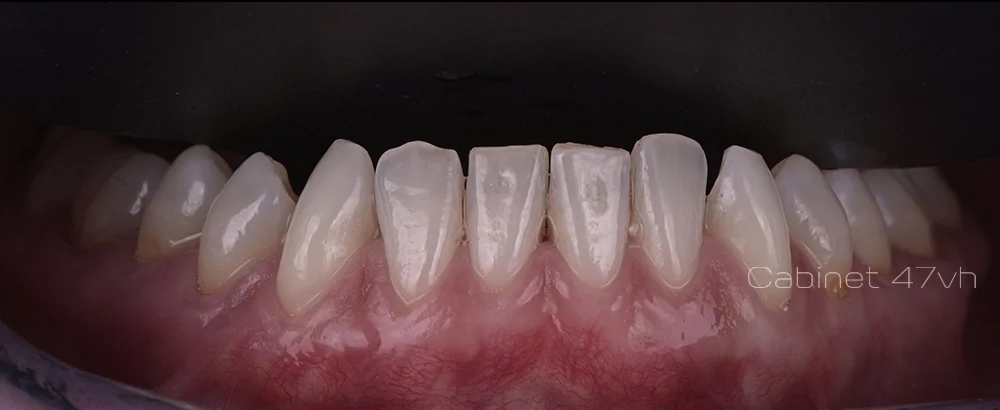
Collagen-based substitutes can be used to avoid harvesting from the palate.
However, outcomes are generally less predictable than with an autogenous graft. Thanks to advances in harvesting techniques and the minimal post-operative morbidity, we generally prefer autogenous grafting whenever possible.
Les résultats sont cependant inférieurs à ceux d’une greffe autogène. Grâce aux progrès des techniques de prélèvement et à la faiblesse des suites post-opératoires, nous préférons généralement le prélèvement autogène lorsque cela est possible.
We perform gingival graft surgery under local anesthesia — you feel no pain during the procedure.
Post-operative recovery depends on the technique used. With the tunnel connective tissue graft, which we prefer at our practice, the harvesting site is protected and recovery is limited to mild discomfort for 5 to 7 days. The free gingival graft leads to slightly more noticeable post-operative effects, as the palate heals by secondary intention.
We systematically provide written post-operative instructions detailing hygiene recommendations, the appropriate medication prescription, and temporary dietary advice. In most cases, patients are able to resume their activities the following day.
The cost of a gum graft depends on the number of teeth treated, the technique used, and the extent of the recession.
Gum grafting is not covered by social security. Some private insurance plans may cover part of the cost depending on the terms of your policy.
We provide a detailed and personalized estimate at the end of the consultation, after a complete clinical assessment. We also offer interest-free installment payment options to facilitate access to treatment.
Connective tissue graft by tunnel technique
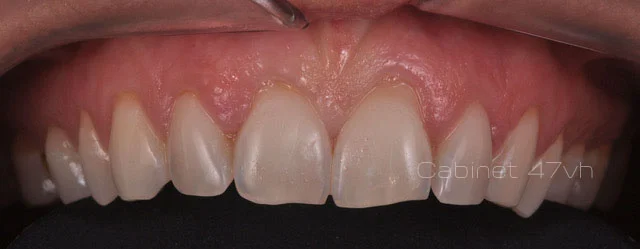
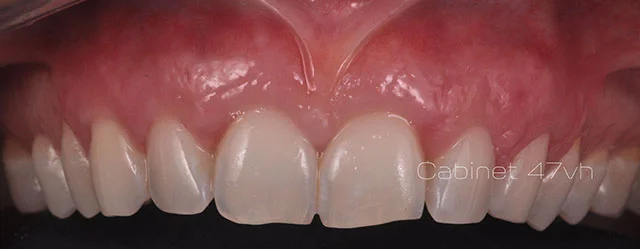
Connective tissue graft by tunnel technique
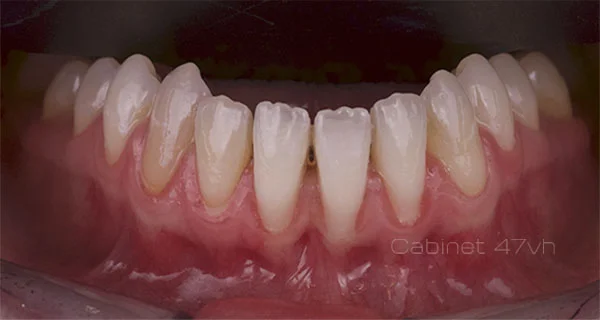
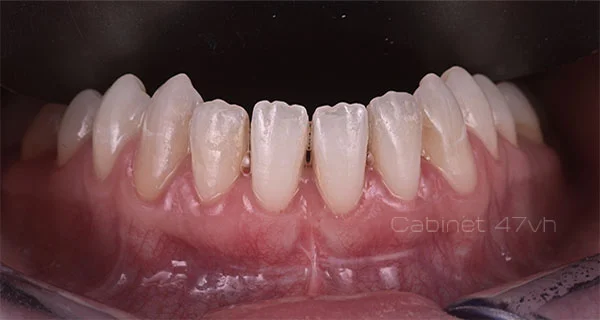
Palatal harvesting grafts
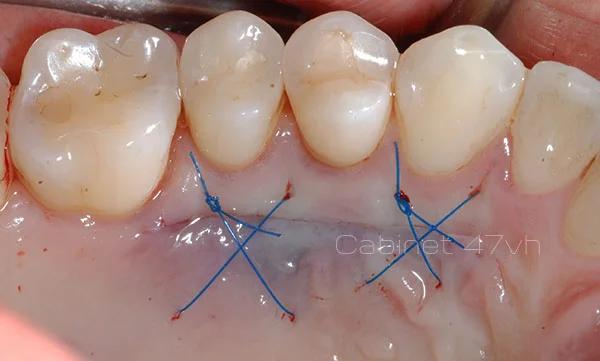
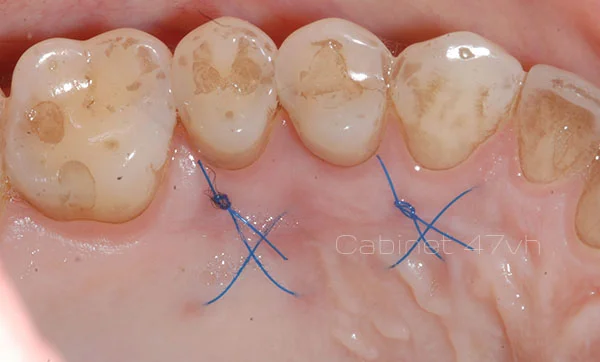
Connective tissue graft by tunnel technique
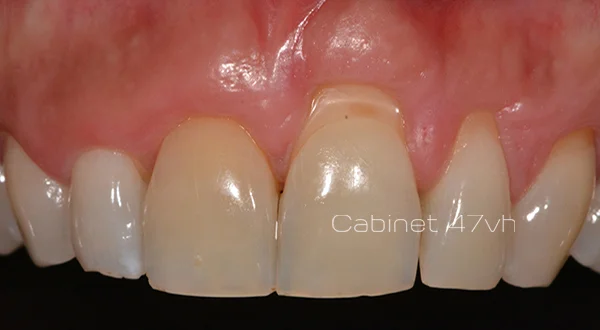
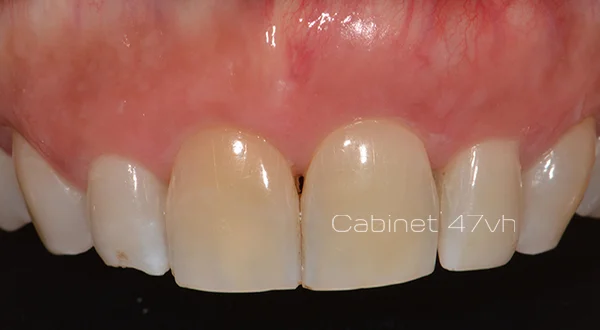
Connective tissue graft by tunnel technique
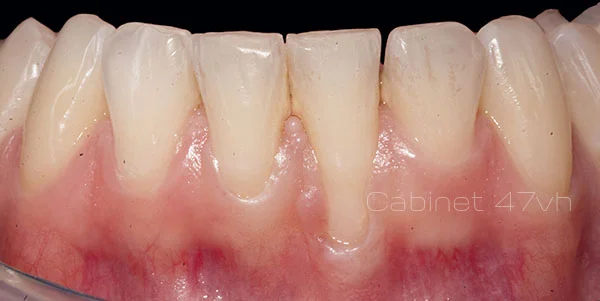
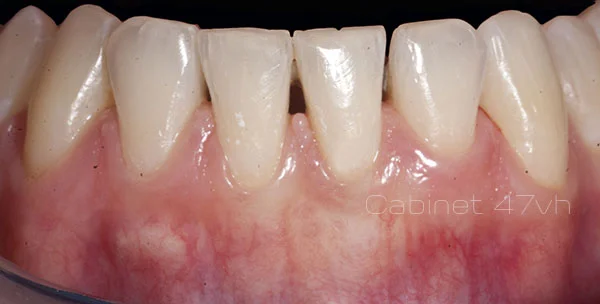
Connective tissue graft by tunnel technique
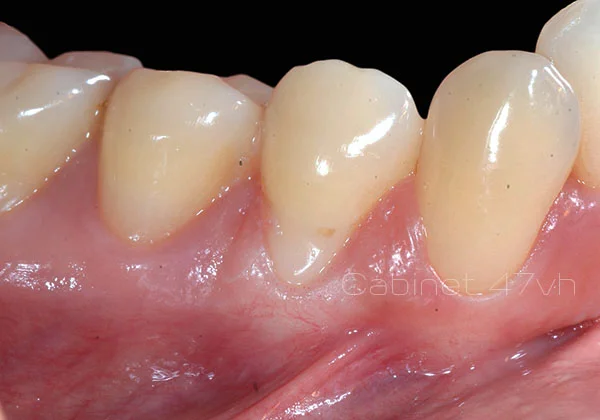
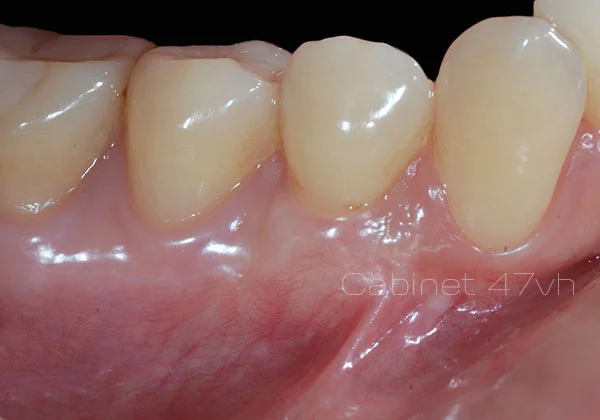
Connective tissue graft by tunnel technique
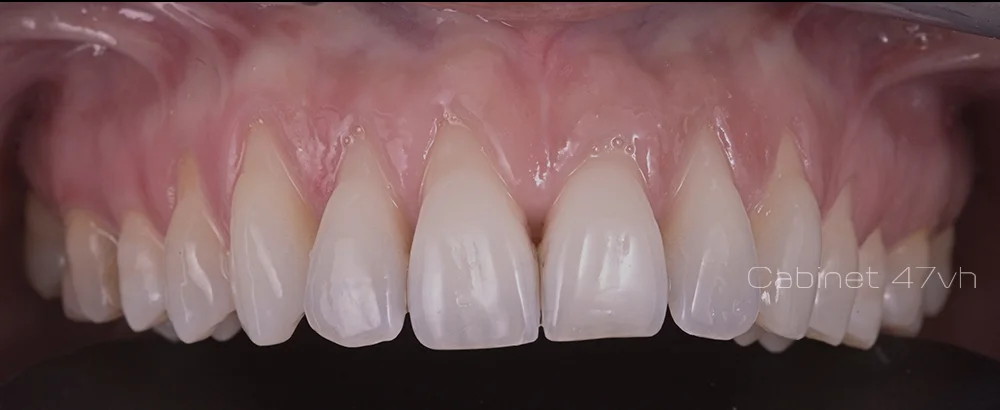
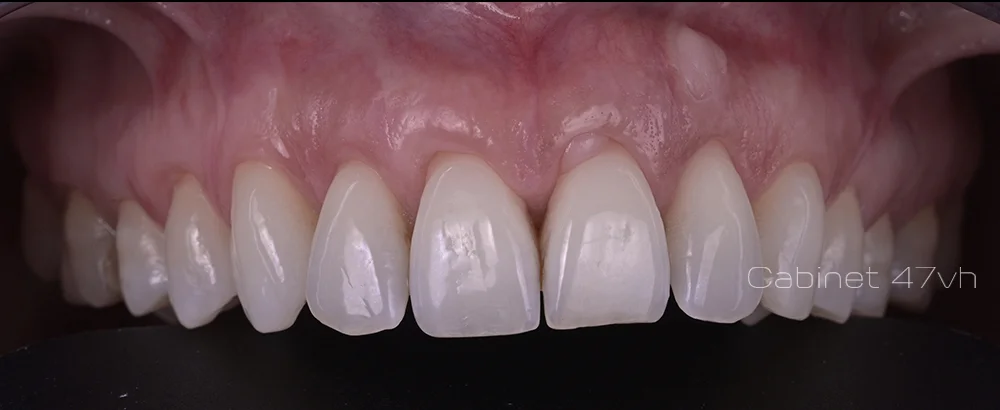
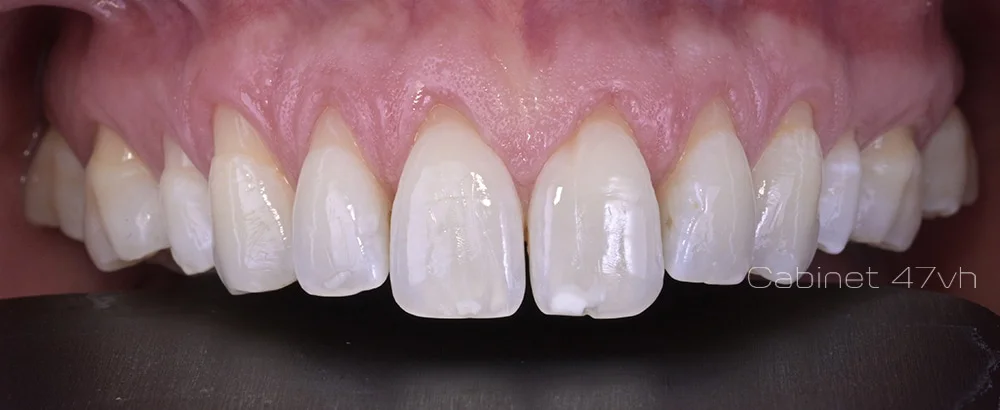
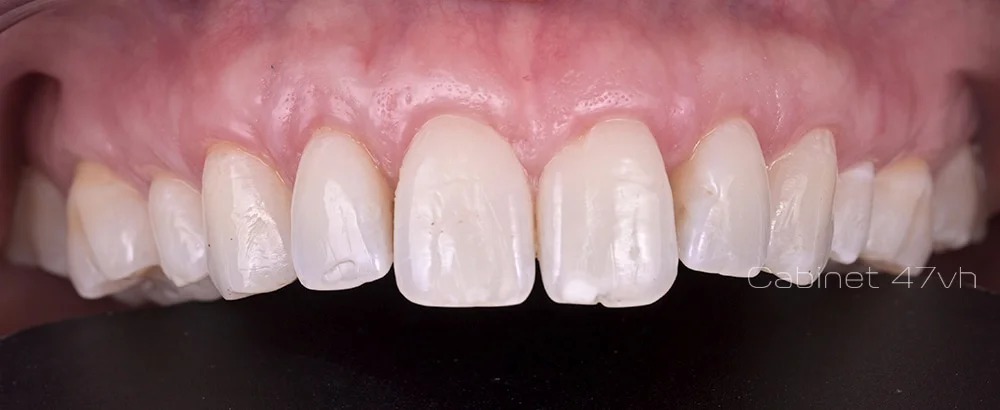
Connective tissue graft by tunnel technique
The intervention is performed under local anesthesia — you will feel no pain during the procedure.
After the intervention, post-operative effects are generally limited to moderate discomfort for 5 to 7 days. With the microsurgical techniques we use — particularly the tunnel connective tissue graft — the donor site is protected, which significantly reduces post-operative discomfort compared to older techniques.
Visible healing is generally complete within 2 to 3 weeks.
Complete integration of the graft into the surrounding tissues takes approximately 2 to 3 months. The final aesthetic outcome can be assessed from 3 months after the procedure.
The risk of recurrence exists if the triggering factors are not corrected.
Excessively aggressive brushing, persistent inflammation, or certain orthodontic movements can compromise the result. This is why we systematically combine grafting procedures with risk factor control and regular periodontal maintenance follow-up.
Yes — we usually treat several recessions in a single procedure.
This approach reduces the number of surgical sessions and optimises overall healing. The number of teeth treated at the same time depends on the extent of the recessions and your clinical situation.
Yes — grafting can only be performed once inflammation is under control.
Active periodontitis compromises healing and reduces the success rate of the graft. We therefore always prioritise periodontal treatment before considering any mucogingival surgery.
Gum grafting is not covered by the National Health Insurance system.
Some private insurance plans may cover part of the cost depending on the terms of your policy. We provide a detailed estimate during the consultation.
Yes — we regularly perform gum grafting procedures around dental implants.
A lack of keratinised tissue around an implant can weaken peri-implant tissues and increase the risk of peri-implantitis. The graft helps reinforce this tissue and improves the long-term biological stability of the implant.