IMPLANTOLOGY
Zirconia Dental Implants
Zirconia implants may meet certain aesthetic or biological expectations, but their indication depends on the clinical, bone, and prosthetic context.
Schedule an initial consultation →
Zirconia implants may meet certain aesthetic or biological expectations, but their indication depends on the clinical, bone, and prosthetic context.
Schedule an initial consultation →Zirconia implants are an alternative to titanium implants, offering specific advantages in terms of aesthetics and biology.
At the 47VH clinic in Nice, we offer both options and determine the most suitable material during the consultation, based on your clinical, bone, and prosthetic situation.
The vast majority of dental implants available on the market are made of titanium. Two main types can be distinguished:
Titanium has surface properties that allow bone cells to attach to it—this is osseointegration. This process firmly anchors the implant in the jaw and enables it to withstand masticatory forces. Titanium is biocompatible, does not corrode, and does not trigger any immune reaction, except in rare cases of allergy.
Zirconia—zirconium oxide ceramic—is the other main material used for the fabrication of dental implants.
Like titanium, zirconia supports osseointegration: bone cells adhere firmly to it, allowing durable anchorage in the jaw. It is also biocompatible—the body accepts it naturally, without immune reaction or rejection.
Zirconia also offers several specific advantages:

We offer zirconia implants in several situations:
However, the choice of material is not based on personal preference alone. We assess it according to bone anatomy, the prosthetic plan, and the overall clinical conditions. We present both options during the consultation and determine together the most appropriate solution for your situation.
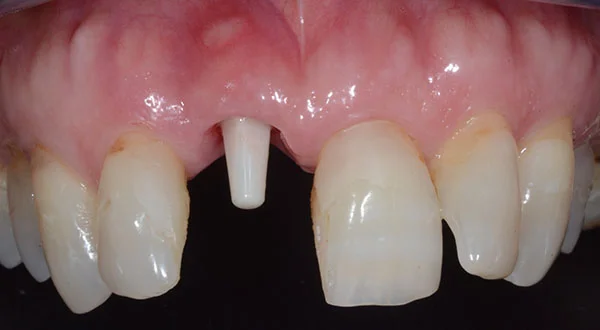
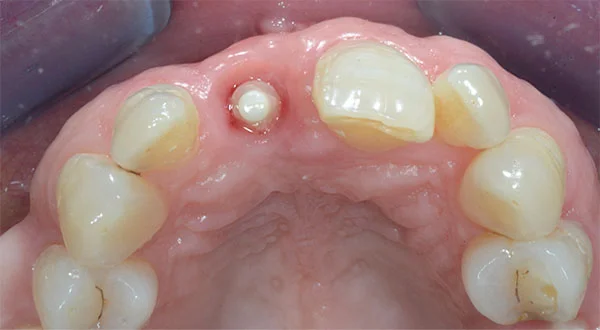
Zirconia implant
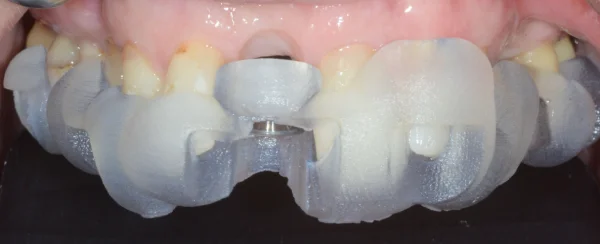
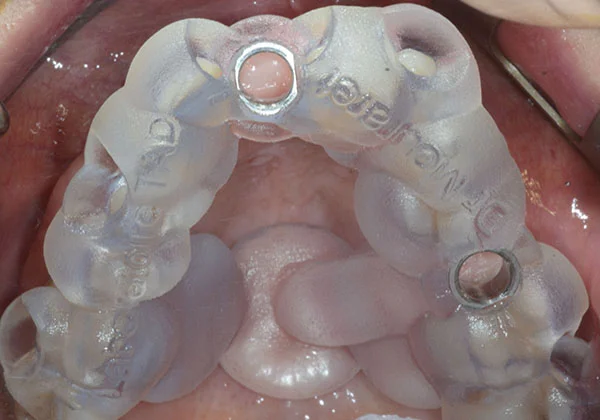
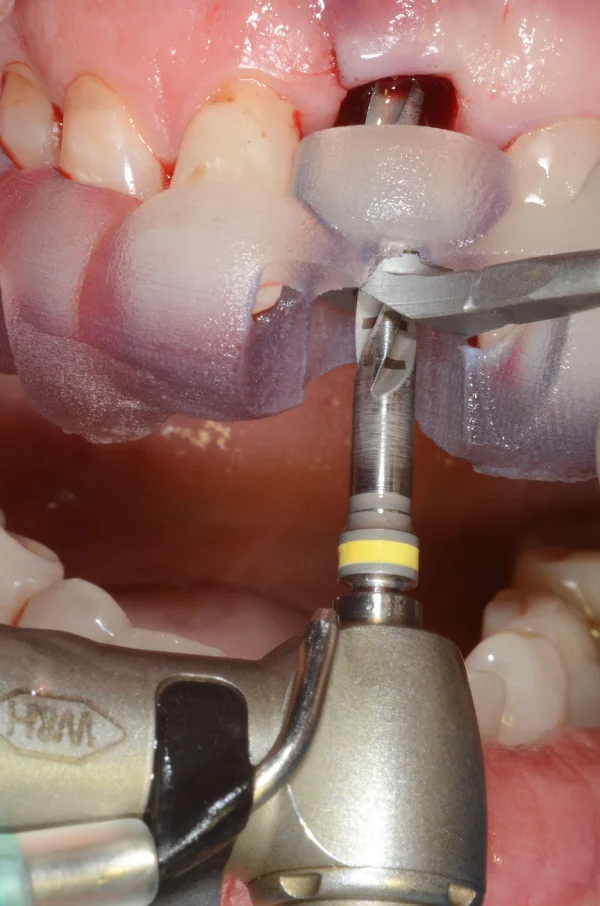
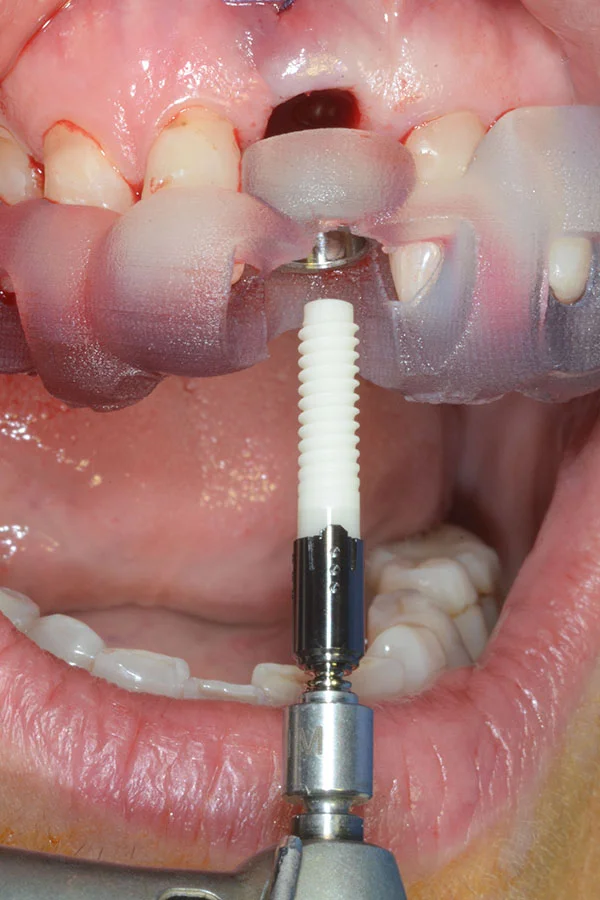
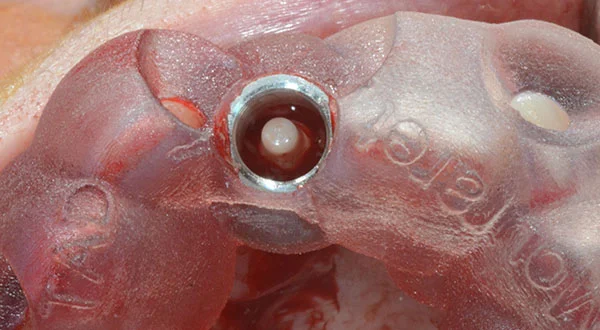
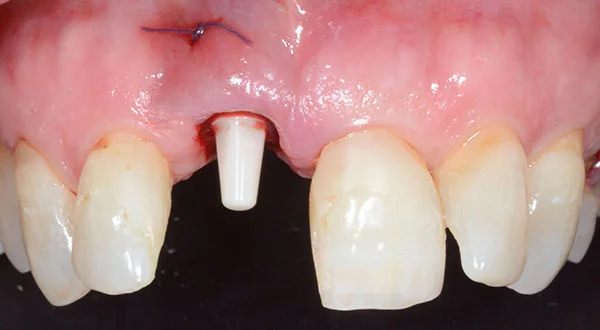
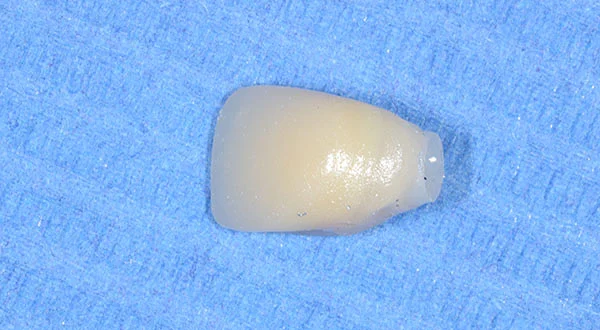
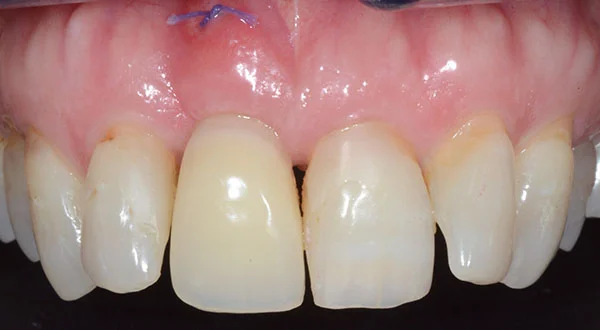
Yes—zirconia has high mechanical strength, compatible with masticatory forces.
However, it is more sensitive to fracture under high lateral stresses. This is why we systematically evaluate the occlusal context and clinical situation before recommending it. Certain conditions — such as severe bruxism or high-load posterior regions — may favour titanium instead.
Scientific studies show similar osseointegration for both materials.
Bone cells attach to zirconia surfaces in a manner comparable to titanium. Therefore, long-term implant stability depends less on the material itself and more on bone quality, treatment planning, and post-operative maintenance.
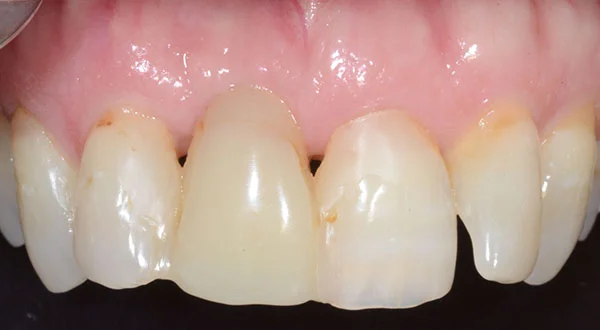
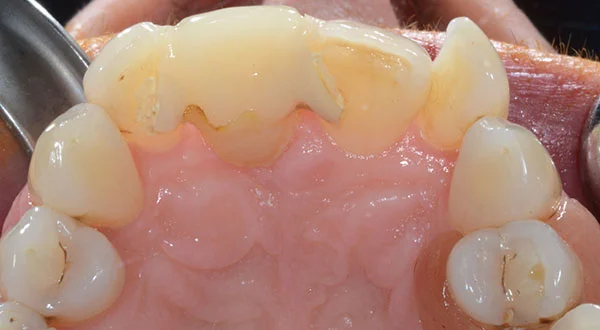
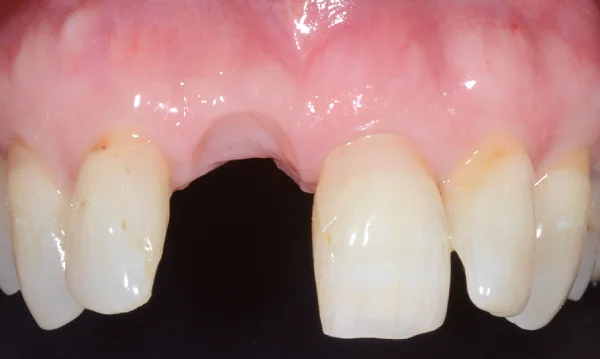
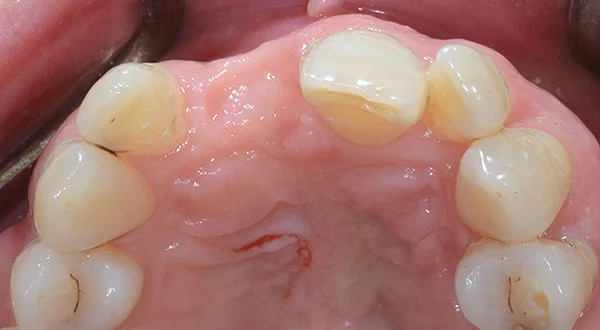
Yes — this is a valid indication, especially in the anterior region with thin gingival biotype.
Its natural white colour avoids any greyish translucency through the gum. In addition, its favourable soft-tissue response supports gingival health around the implant, contributing to the final aesthetic outcome.
No—their indication depends on the clinical, bone, and prosthetic context.
Thus, we assess each situation during the consultation before recommending this material. However, patients wishing to avoid any metal, those with titanium sensitivity, or those seeking the latest advances in biomaterials are the most suitable candidates.
Yes—the cost of zirconia implants is generally higher than that of premium titanium implants.
However, the difference remains moderate. We provide full cost details during the personalised treatment planning after clinical assessment.
Yes—we use both titanium and zirconia implants from premium brands.
Thus, we present both options during the consultation and jointly determine the most suitable material for your situation, taking into account your aesthetic expectations, anatomy, and prosthetic plan.